How to create Tilian’s distorted chorus vocal effect (ft. Dance Gavin Dance)
Nail The Mix Staff
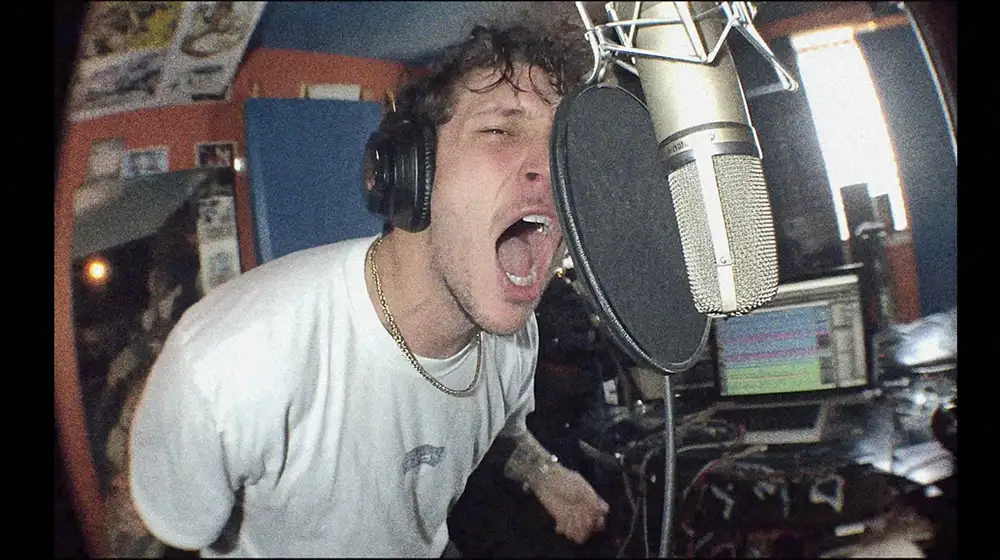
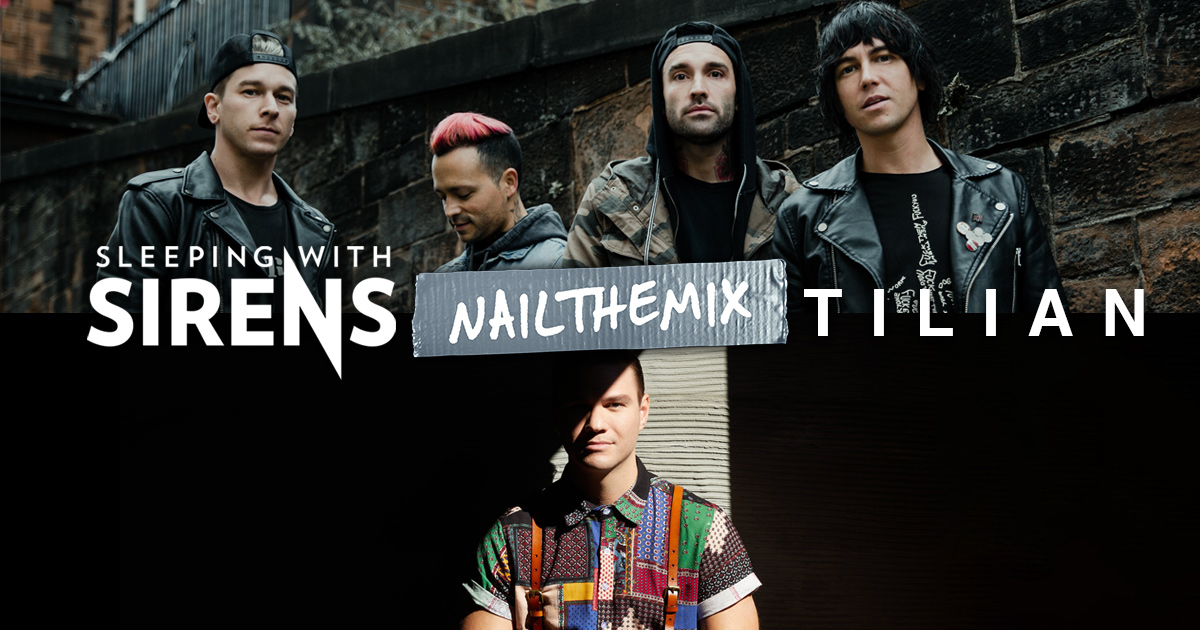
Tilian Pearson has one of the most recognizable voices in modern rock. His soaring, clean melodies are a staple, but it’s the unique processing and effects that truly elevate his vocals into their own sonic space. We got an inside look from legendary producer Kris Crummett as he broke down a signature chorus effect he and Tilian developed for the Dance Gavin Dance records and carried over into Tilian’s solo work.
Forget basic reverb and delay. This is about creating a distinct sonic identity with a custom effects chain. After nailing the essential vocal compression and EQ, Kris dives into the effects that give these vocals their character. Let’s break down how he builds that massive, spacey, and instantly identifiable Tilian sound.
The Core “Tilian” Effect: Distorted Doubling
The foundation of the effect isn’t just a simple chorus or doubler. While a plugin like the Waves Doubler is a common go-to, Kris and Tilian cooked up something more unique to serve as the vocal’s “identity.”
Building the Chain: Micro Shift + Distortion
The secret sauce is a specific combination of plugins used as a subtle, always-on effect.
- The Spreader: The effect starts with Soundtoys Micro Shift. This plugin is a master at creating wide, convincing doubles from a single vocal track, giving it immediate width and presence.
- The Character: Here’s the key move. Before the Micro Shift, Kris inserts a light distortion. By placing distortion before the stereo spreader, the grit becomes part of the spatial effect itself, not just a layer on top of the vocal.
The result is a subtly distorted, chorus-like effect that almost sounds like an ’80s short room reverb. It’s blended in just enough to add character and a unique texture without being overpowering. This custom chain is a perfect example of how you can move beyond presets to craft your own signature sound.
Building Space: Delays Over Reverb
When it comes to creating a sense of space around the vocal, you might instinctively reach for a reverb plugin. In this mix, however, the delays are doing most of the heavy lifting.
Kris does use a reverb—the excellent FabFilter Pro-R—but its role is surprisingly minimal. It’s mixed in very low, used more to slightly extend the natural tail of the vocal rather than creating a whole new environment. The real magic for creating that big, lush atmosphere comes from a pair of carefully crafted delays.
The Main Quarter-Note Delay
This delay is the primary spatial element running through most of the song.
- Plugin: The workhorse Soundtoys Echo Boy.
- Time: A standard quarter note, locked to the song’s tempo (168 BPM).
- The Trick: Aggressive EQ: This is where the magic happens. Instead of a full-frequency delay, Kris uses an EQ to carve out a specific sonic space. He cuts everything below 1k and rolls off the highs around 13kHz. This “band-passing” technique removes muddy lows and harsh highs, leaving a washed-out, mid-range echo that sits perfectly behind the lead vocal without getting in the way.
- Mix: Set to 100% wet, as it’s being used on an effects send.
This mid-focused, washed-out delay acts more like a lush reverb than a traditional echo, making the whole vocal performance feel spacey and huge.
The Rhythmic Half-Note “Throw” Delay
For extra emphasis and to fill gaps, a second, more stylized delay is automated in and out. This “throw” delay is more of a complex, lo-fi effect built from a chain of plugins.
- The Delay: The effect starts with a Line 6 Echo Farm plugin set to a half note.
- The Lo-Fi Vibe: Instead of trying to find a dedicated “lo-fi” plugin, Kris simply uses a FabFilter Pro-Q to create a drastic band-pass filter. By aggressively cutting the lows and highs, he creates that classic “radio” or “telephone” EQ effect on the delay tails.
- The Ethereal Space: To make the effect even more spacious and less blunt, a Valhalla Vintage Verb is added after the EQ. Using the Concert Hall mode with the 1970s color setting, the lo-fi delay is transformed into a massive, ethereal wash of sound that trails off beautifully.
Putting It All Together With Automation
Having cool effects is one thing, but using them dynamically is what separates a pro mix from an amateur one. Kris uses automation masterfully to make these effects breathe with the song.
Trading Places: Smart Delay Automation
To prevent the two delays from turning the mix into a muddy mess, they never fight for the same space. Kris uses automation to turn down the main quarter-note delay every time the special half-note “throw” delay is brought in. They seamlessly trade places, keeping the mix clean while adding rhythmic complexity.
The Doppler Panning Effect
In one section, Kris creates a stunning sense of movement with a clever panning trick.
- The Pan: The dry lead vocal is automated to pan from left to right.
- The Tweak: The delays and reverb are on post-fader sends and remain centered in the stereo field.
- The Result: As the dry vocal moves to the left speaker, the right speaker is left with only the wet, spacious effect tails. As it sweeps to the right, the left channel fills with that ambience. This creates a mesmerizing Doppler-like effect that feels far more three-dimensional and immersive than a simple, “goofy” pan.
Learn from the Pros
These are the kinds of nuanced, creative decisions that define a world-class mix. Crafting a distorted chorus, using EQ’d delays for space, and automating effects to create dynamic movement are all techniques you can apply to your own music.
Sleeping With Sirens on Nail The Mix
Kris Crummett mixes "If You Can't Hang"
Get the Session
Want to see exactly how Kris Crummett applies these concepts and builds a full mix from scratch? With a Nail The Mix membership, you can. Every month, you get to sit in the virtual studio with producers like Kris, Jens Bogren, and Will Putney, watching them mix real songs from bands like Sleeping With Sirens, Gojira, and Spiritbox. You get the raw multitracks to practice on and can learn the techniques the pros use to unlock their signature sounds.
Check out the full Tilian mixing session with Kris Crummett to see every plugin, every fader move, and every decision that went into this killer track.