Mixing by ear vs by screen: SSL vs Neve workflows and when to break the rules (ft. Devin Townsend)
Nail The Mix Staff
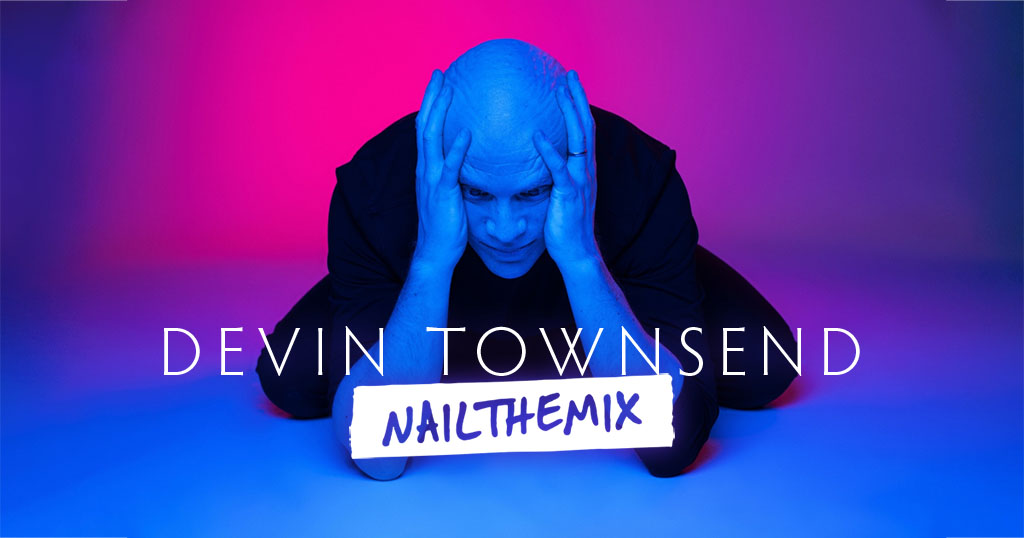
Devin Townsend has a sound that is undeniably his. It’s a massive, layered, and genre-defying wall of audio that somehow remains clear and powerful. So, how does a visionary artist like Devy translate the complex ideas in his head into a finished mix?
It’s not about following a rigid set of instructions you read online. In fact, it’s often the opposite. It’s about cutting through the BS, ignoring arbitrary “rules,” and trusting your ears and instincts above all else. During his recent Nail The Mix session, Devin broke down some of the core philosophies and techniques that define his workflow.
Let’s dive into how he tackles drums, EQs, and makes bold mixing decisions that you can apply to your own sessions.
It’s About Vibe, Not Just The Gear: The “Demo” Drum Philosophy
We’ve all been there. You get a set of “demo” tracks with the full intention of re-tracking them later in a “proper” studio. But what if the demo just feels right?
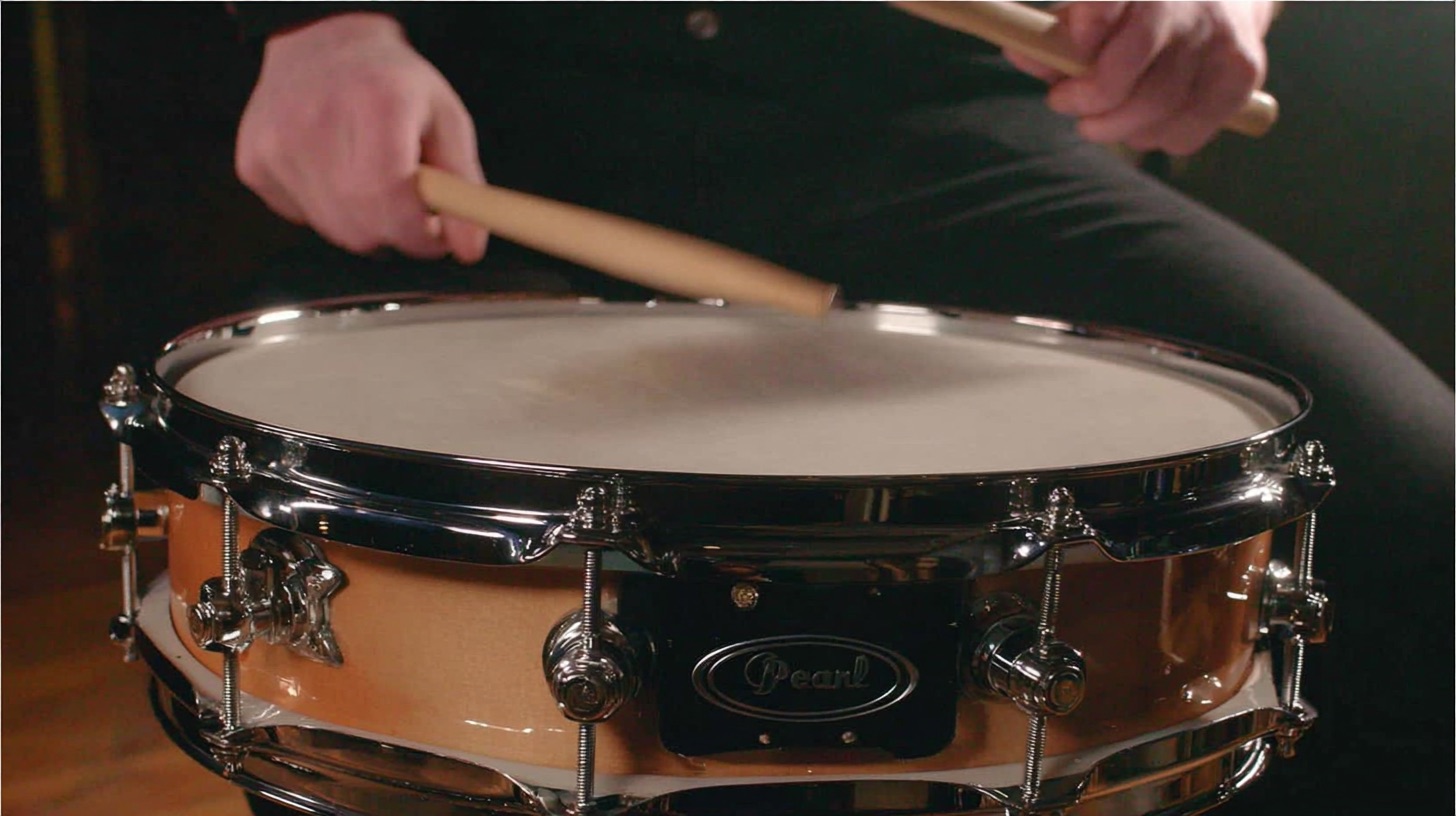
For the song “Lightworker,” Devin had his good friend, the legendary drummer Morgan Ågren, lay down a part over the demo in his garden shed studio. The initial plan was to use this as a guide and track the final drums elsewhere. But after listening back, Devin realized the stereo drum mix from that shed session had a raw, intimate vibe that a big studio production couldn’t replicate. That “demo” take was what ended up as the final drum track for the verses.
The takeaway? Great mixers know that the feel of a performance is king. A technically perfect recording in a million-dollar room is useless if it doesn’t serve the song’s emotion. Don’t be afraid to use the “wrong” take if it has the right vibe.
Mixing With Your Ears, Not Your Eyes: The Tactile Workflow
The Gear: SSL and Neve at His Fingertips
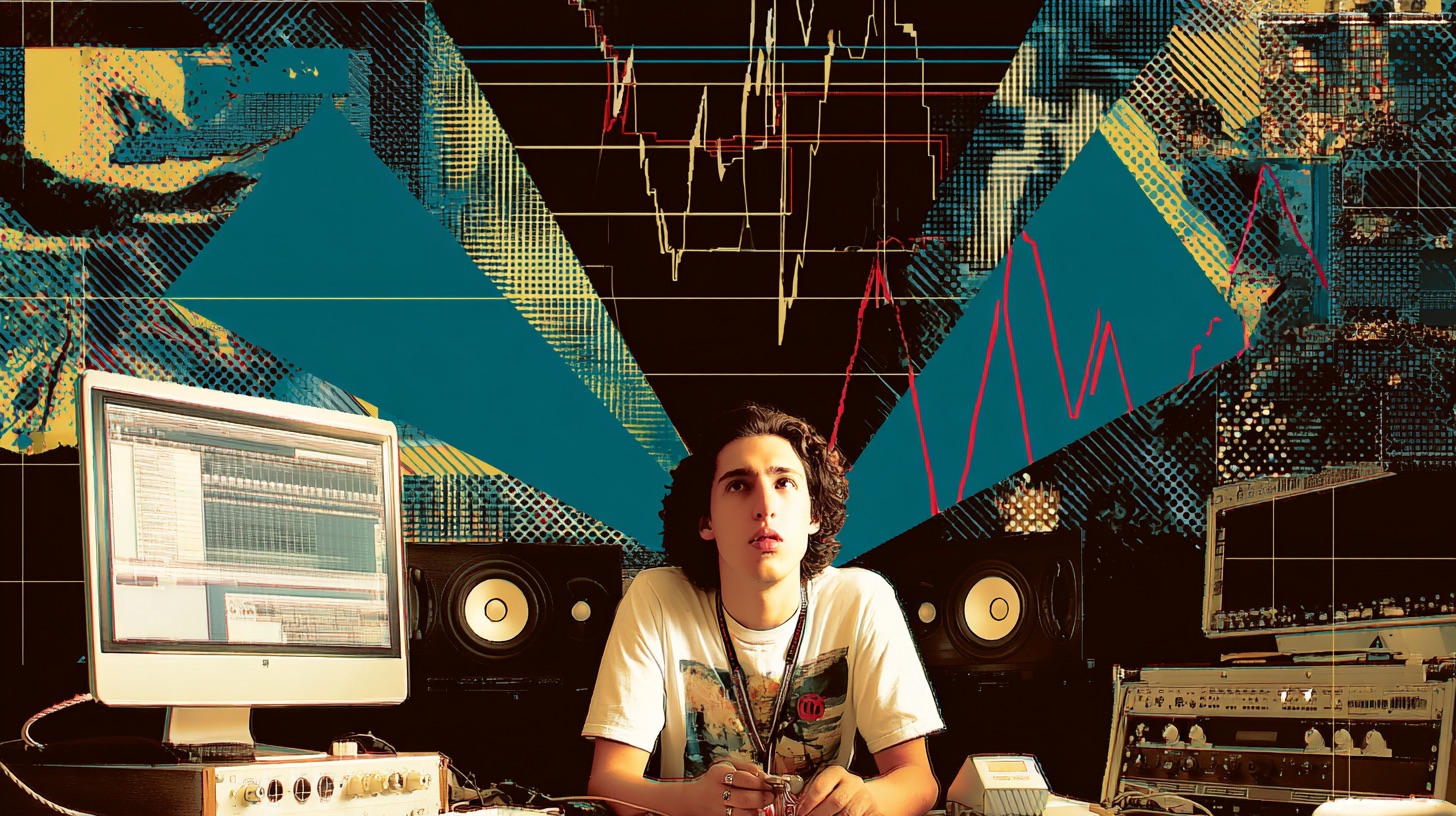
You’ll find two key pieces of hardware in Devin’s setup that aren’t outboard racks, but control surfaces.
- SSL Control: On every channel, he has an SSL-style channel strip plugin that is physically mapped to a dedicated SSL controller. This gives him immediate, hands-on control over the classic SSL EQ, compressor, and dynamics for any track.
- Softube Console 1: On his auxiliaries, he uses a Softube Console 1, which he has set up to control a Neve-style channel strip plugin. This allows him to quickly grab a knob and dial in that classic Neve high-end character or low-mid punch.
This setup essentially gives him a console-style workflow within his DAW, letting him grab physical knobs for his most-used tools.
The Breakthrough: Making Bolder (and Better) EQ Moves
Here’s the killer part. By closing his eyes and just turning the physical knobs on his controllers, Devin found himself making mixing moves he would’ve been too scared to make while staring at a plugin GUI.
After dialing in a sound purely by ear, he’d look at the screen and see EQ settings that go against “common sense”—we’re talking massive boosts at 8k or huge low-end cuts that most people would advise against. But they just worked. When you stop looking at the analyzer graph and start listening, you let your ears guide you to what the track actually needs, often resulting in a bigger, clearer sound. This hands-on approach is a game-changer for applying both surgical and broad-stroke EQ strategies and dialing in the perfect amount of squeeze with a compressor.
The Hybrid Approach: Why a Spectrum Analyzer Still Matters
While Devin champions mixing by ear, he’s not a purist who shuns all visual aids. He takes a hybrid approach, keeping a spectrum analyzer on his master bus at all times.
Why? He uses it as a verification tool. After things are starting to come together sonically, hecan glance at the analyzer to spot potential problem areas his ears might have missed. For example, if a mix is feeling muddy, a quick look can visually confirm a problematic frequency buildup between the kick and the bass. It’s the best of both worlds: sculpt the tone with your ears, then use your eyes for a final quality-control check.
Don’t Be Afraid to Replace: Solving Problems with Samples
The chorus of “Lightworker” was a different story. The drums were tracked in a massive, fancy studio with a huge selection of mics and drums. But even in a perfect environment, things don’t always work out.
Devin found that the real cymbals had frequencies that clashed with some of the synth layers, creating a harmonic mess. On top of that, the hi-hats were tracked open and felt too “trashy” for the part.
Instead of spending hours trying to surgically EQ the problem away, he took a more direct route: he replaced them. He muted the problematic real cymbals and programmed in digital cymbals that sat perfectly in the mix. He also added a tight, closed digital hi-hat to give the part the clean, driving feel it needed. This is a crucial lesson: don’t be a hero. Your job is to make the song sound amazing, not to use every single track that was recorded. If a sound isn’t working, replace it and move on.
Bring Devin’s Philosophy To Your Mixes
Devin Townsend’s approach is a powerful reminder that the ultimate goal is to serve the song. It’s about trusting your instincts, using tools in a way that helps you listen more critically, and never being afraid to break the rules or swap out a sound if it leads to a better result.
Genesis on Nail The Mix
Devin Townsend mixes "Genesis"
Get the Session
These are the kinds of invaluable, real-world insights you get when you’re a part of our monthly Nail The Mix sessions. You’re not just learning abstract theory; you’re seeing exactly how world-class producers like Devin Townsend make decisions in the heat of a real mix session.
If you want to learn to mix like a pro and see Devin apply these very concepts to mix “Lightworker” from start to finish, explaining every plugin, decision, and creative choice along the way, you need to check out his full session. Watch as he transforms the raw multitracks into a finished, polished metal masterwork right on Nail The Mix.