Amp sim tone from DI: Neural DSP Archetype, Bogren Digital IRs & FabFilter Pro-Q signal chain (ft. Volumes)
Nail The Mix Staff
Getting a massive, in-the-box guitar tone is the modern metal producer’s daily grind. We’ve all been there: you lay down some tracks, but they come out sounding muddy, flubby, and just plain weak in the mix. Maybe you were stuck with old strings or a guitar that wasn’t quite right for the job. Sound familiar? That’s the exact starting point Daniel Braunstein faced when mixing guitars for Volumes.
In this breakdown, we’re digging into Daniel’s step-by-step process for transforming a dull DI into a chunky, articulate metal guitar tone that’s ready to dominate the mix. Forget guesswork; this is a calculated approach you can apply to your own sessions.
It All Starts With the Cab: Finding Clarity and Character
The first thing Daniel tackles is the core of the tone: the cabinet. The initial sound, using the Neural DSP Archetype amp sim, wasn’t cutting it. Even without soloing them, it was clear the guitars were muddy and lacked the definition needed for a modern metal track. His solution wasn’t to scrap the amp sim, but to swap out the cabinet.
The Hybrid Amp Sim/IR Setup
Instead of using the cab section within the Archetype plugin, Daniel bypasses it and routes the signal into a separate cab IR loader—in this case, the STL Hub (with the Ignite Libra module). He turns off the amp block in the STL Hub, so it’s only processing the cabinet impulse response. This allows him to pair the amp characteristics he likes from one plugin with the cab sounds from another.
For this track, he loaded up his Bogren Digital IRs, which are known for working well with low-tuned, heavy music.
What to Listen For (And How to Listen)
When auditioning cabs, Daniel isn’t just looking for something that sounds “good” in solo. He has a specific checklist:
- Clarity: The tone needs definition to cut through the mix.
- Unique Resonance: He wants a bit of unique character, not a sound that’s perfectly smooth or sterile.
- Balanced Lows: It can’t be overly bassy or boomy.
Here’s the key takeaway: He auditions the cabs with the rest of the mix playing. By listening to just one side of the stereo guitars against the drums and bass, he can immediately hear how the cab choice affects the overall song.
He quickly flips through options, spending no more than 15-20 seconds on each to avoid losing perspective. Once he finds one that instantly sounds better in context, he locks it in and moves on.
Shaping the Attack with Pre-Amp EQ
With a better cab in place, the tone is clearer but still feels a little soft and lacks pick attack. The guitars are holding down the low-end rhythm, but they need more aggression. To fix this, Daniel turns to one of the most powerful tools in a modern producer’s arsenal: pre-amp EQ.
Creating a Custom Digital Boost Pedal
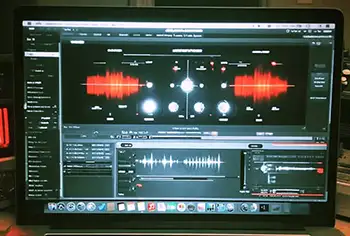
Before the signal ever hits the amp sim, Daniel inserts an EQ plugin (like the FabFilter Pro-Q) to act as a custom boost pedal. Much like a classic Tube Screamer tightens up a real high-gain amp, this pre-amp EQ focuses the guitar signal for optimal distortion.
He’s essentially creating his own perfect pedal by:
- Cutting Lows: Rolling off the sub-bass and muddy low-mids cleans up the flub before it gets amplified and distorted.
- Boosting Mids: A strategic push in the mids or upper-mids brings out the pick’s scraping attack on the string.
This one move dramatically enhances the aggression and clarity of the distorted tone without making it thin or fizzy.
Final Polish with Post-Amp Processing
Now that the core tone is aggressive and tight, it’s time for some final shaping to make it sit perfectly in the mix.
Trusting Your Ears, Not Your Eyes
When applying post-amp EQ, Daniel intentionally uses a plugin where he can focus on the knobs rather than a visual frequency analyzer. This forces him to rely entirely on his ears to find what sounds right. He listens for any remaining harsh or unpleasant frequencies that were created by the amp sim and distortion, using surgical cuts to pull them out without affecting the tone’s body.
Adding a Touch of Air
To smooth everything out and add a final bit of polish, he reaches for a simple exciter plugin—the Slate Digital Fresh Air. He’s careful to use it sparingly; a little goes a long way. Cranking it reveals the harshness it can add, but just a touch can introduce a pleasant high-end sheen that helps the guitars breathe. After adding it, he notices it brought out a new scratchy frequency, so he goes back to his post-amp EQ to notch it out—a perfect example of the iterative back-and-forth that defines professional mixing.
Checking Your Bus Compression
As a final sanity check, Daniel takes a look at his main guitar bus. He notices the compressor is working a bit too hard and potentially squashing the life out of his newly crafted tone. A quick adjustment to dial back the compression ensures the guitars remain punchy and dynamic.
Bringing It All Together (And Taking It Further)
By following this methodical process, Daniel took a muddy, undefined guitar DI and turned it into a professional, mix-ready weapon. Here’s the recap of the workflow:
- Select the Right Cab IR: Find a cabinet impulse response that provides clarity in the context of the full mix.
- Use Pre-Amp EQ: Sculpt the guitar signal before the amp to control the low-end and enhance pick attack.
- Apply Post-Amp EQ: Clean up harshness and shape the overall tonal character using your ears.
- Add Subtle Polish: Use effects like exciters for a final touch of air and smoothness, and re-EQ as needed.
- Monitor Bus Processing: Don’t let your bus compression undo all your hard work.
These techniques are killer on their own. But how do you make this incredible guitar tone work perfectly with pounding drums, a thundering bass, and aggressive vocals?
Volumes on Nail The Mix
Dan Braunstein mixes "Bend"
Get the Session
That’s where Nail The Mix comes in. In Daniel Braunstein’s full NTM session, you can watch him mix this entire Volumes track from start to finish. You don’t just get tips—you get the actual multitracks to practice on yourself. See how a pro balances every element, automates levels to create impact, and glues the entire song together into a polished, powerful final product.
Stop tweaking presets and start making deliberate, impactful mixing decisions. See how the pros do it, and unlock what’s truly possible with your sound.
Ready to hear every single move that went into this mix? Check out the full Volumes mixing session with Daniel Braunstein on Nail The Mix.