Toontrack Death and Darkness SDX: Your Guide to Brutal Metal Drums
Nail The Mix Staff
The Toontrack Death and Darkness SDX is a beast. Dropping it into your Superior Drummer 3 session gives you instant access to world-class drum sounds meticulously crafted by two absolute legends of modern metal, Mark Lewis and Tue Madsen. But we’ve all been there: you load up a killer library like this, program a blast beat, and it just… sounds fake. It’s the dreaded “plastic drums in space” syndrome—a common symptom of the problem with modern metal drums—sterile, and soulless.
Here’s the thing: the problem isn’t the samples. It’s how you’re using them. The difference between a programmed drum track that sounds like a clumsy robot and one that feels like a real drummer is in the nuance. It’s about leveraging the power of this incredible tool to create a performance, not just a sequence of notes.
Let’s dig into what makes the Death and Darkness SDX so lethal and how you can use it to program drums that actually rip.
What is the Toontrack Death and Darkness SDX?
Before we get into the nitty-gritty of programming, you need to know what you’re working with. This isn’t just one drum library; it’s two distinct collections in one package, similar in scope to other massive libraries like the Toontrack Metal Machinery SDX, each with its own signature sound.
The "Death" Kit (Engineered by Mark Lewis)
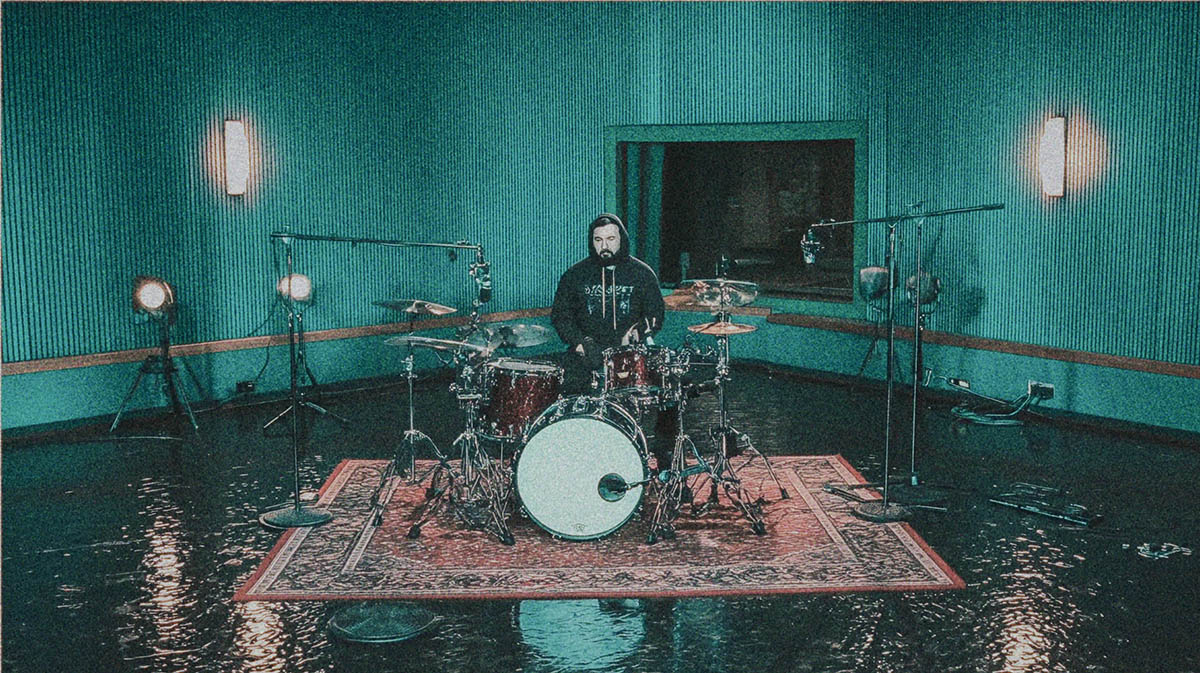
Recorded at the legendary Sonic Ranch, Mark Lewis’s half of the SDX is all about modern, punchy, and articulate metal. Think of bands like The Black Dahlia Murder, Whitechapel, or DevilDriver. The shells are tight, the cymbals cut through with precision, and the overall sound is polished without being sterile. It includes a huge selection of kits from Tama, Ludwig, and more, giving you a massive palette for clear, aggressive, and mix-ready drum tones right out of the box.
The "Darkness" Kit (Engineered by Tue Madsen)
Tue Madsen’s side, tracked at his own Antfarm Studio, dives into a rawer, grittier, and more atmospheric territory. This is the sound of Danish death metal—think Meshuggah, The Haunted, and Behemoth. The room sound is more cavernous, the shells have more ring and character, and the vibe is darker and more organic. It’s perfect for when you need something that feels less polished and more like a band thrashing it out in a room.
Why Your Programmed Drums Sound Fake (And How to Fix It)
Having killer samples is just step one. The real magic happens when you start thinking like a drummer, not a programmer. A human drummer is beautifully imperfect, and that’s what makes a performance feel alive.
Velocity Is Everything
If you’re just clicking in notes and leaving them at the default (or max) velocity of 127, you’re basically telling the plugin to fire the exact same, hardest-possible sample every single time. No drummer does that.
The Death and Darkness SDX is a multi-sampled library, meaning it contains recordings of each drum hit at many different velocities. A soft hit isn’t just a quieter version of a loud one—it’s a completely different sample with a unique tone and character.
Actionable Tips:
- Vary Your Blasts: When programming a blast beat, don’t set all the snare hits to the same velocity. Pull some down slightly. Maybe the hits on the beat are at 120, while the off-beats are at 115. It’s a subtle change that makes a huge difference in feel.
- Program Realistic Fills: In a fast tom fill, a real drummer's hands naturally lose a bit of power. Program your MIDI with this in mind. Start the fill strong and slightly decrease the velocity of the notes as the fill progresses.
- Ghost Notes: Use low-velocity snare hits (around 20-40) to add ghost notes between the main backbeats. This adds groove and complexity that screams "real drummer," using the same principles you'd use to create natural dynamics in faster passages.
Humanize Your Grid
Quantizing everything 100% to the grid is the fastest way to create a robotic performance. While modern metal requires precision, it doesn’t require perfection. That tiny bit of human "slop" is what makes a groove feel powerful.
Actionable Tips:
- Quantize to 90%: Instead of snapping every note perfectly to the grid line, try quantizing to 85-95%. This tightens up the performance significantly but retains some of the original timing variations, making it feel powerful but human.
- Push and Pull: Manually drag a few key hits slightly. Try pulling the snare hit leading into a chorus just a hair behind the beat to create tension, or push the first kick of a breakdown slightly ahead of the beat for more impact.
Layering, Not Just Replacing
Samples are unbelievably powerful for reinforcing a live drum performance. Often a real drummer's snare hits can get a bit weak during fast parts like blast beats, simply due to the physics of playing that fast. You can’t just turn up the snare track without also boosting a ton of nasty cymbal bleed.
This is where the Death and Darkness SDX shines. By triggering a sample underneath the real snare, you get the consistency and punch you need without sacrificing the human element of the original performance. You can simply turn up the velocity of your MIDI sample during those blasts to add power exactly where it’s needed, leaving the rest of the mix clean. This is one of many killer drum sample replacement techniques you can use.
Processing Death and Darkness for Maximum Impact
Once you have a great-feeling MIDI performance, it’s time to make it hit even harder in the mix.
The Shell Game: EQ and Transient Shaping
Every shell needs its own space in the frequency spectrum. Use a good parametric EQ like the FabFilter Pro-Q 3 to carve things out.
- Kick Drum: Learning how to mix a metal kick drum starts here. Look for the low-end "thump" around 50-80Hz. Cut out boxiness or mud in the 300-500Hz range. Find the beater "click" anywhere from 3kHz to 8kHz to help it cut through dense guitars. Follow it up with a transient shaper like the SPL Transient Designer to crank up the attack for more punch.
- Snare Drum: The body or "thwack" is often around 150-250Hz. The "crack" lives higher up, usually between 4kHz and 7kHz. If the natural tones are too much, you may also need to remove ring from a snare drum with surgical EQ. A little boost here can make it pop. Don't be afraid to use parallel processing—send your snare to a separate bus, crush it with a compressor, and blend it back in for extra body.
Bus Compression for Glue and Punch
To make the individual drum pieces sound like a cohesive kit played in one room, you need bus compression. Send all your drum tracks to a stereo bus and strap on a compressor. An SSL G-Bus style compressor is a classic choice. Use a slow attack (around 30ms) to let the initial transients pop through, and a fast release to bring up the body of the kit. For a more aggressive take on this, check out some super-aggro mix bus compression techniques.
For a deep dive into getting this right, check out our guide to metal compression secrets.
Making Room for the Drums
Once your drums are slamming, make sure they have space to breathe in the mix. This often means carving out a little room in the guitars, especially for the kick and snare. Making a small, narrow cut in your rhythm guitars where the kick’s beater attack sits can instantly add clarity. Of course, a huge part of this is also balancing the kick drum and bass so their fundamental frequencies don’t clash. Smart EQing on your metal guitars is crucial for a powerful, defined mix where every element has its place.
From Theory to Practice
Using a world-class tool like the Toontrack Death and Darkness SDX is just the beginning. The real skill lies in the application: crafting a dynamic performance with velocity, humanizing the grid, and shaping the sound with aggressive processing.
These techniques will get you started, but imagine watching the masters who created these sounds—producers like Tue Madsen and Mark Lewis themselves—apply these concepts in a real mixing session. That’s exactly what we do at Nail The Mix.
We put you in the room with the best Nail The Mix instructors in the world as they mix iconic metal tracks from scratch, using the tools and techniques they rely on every day. You get the raw multi-tracks to mix alongside them and learn firsthand how they create professional, release-ready songs.
If you’re ready to see how the pros really make drum libraries like this come alive, check out our full catalog of Nail The Mix sessions and take your productions to the next level.