Pop punk production tricks: interlocking guitars and Melodyne harmonies (ft. Neck Deep)
Nail The Mix Staff
Pop-punk has a specific energy. It’s raw but polished, aggressive but catchy. And when you talk about modern pop-punk production, a few names always come up. Andrew Wade is one of them. His work on Neck Deep’s Life’s Not out to Get You is a perfect example of how to make a record that’s bursting with attitude and radio-ready punch.
So how do you capture that sound? It’s not about magic presets. It’s about building the track from the ground up with smart decisions, from the drum room to the guitar riffs. We got our hands on the raw multi-tracks for Neck Deep’s monster hit “Can’t Kick Up The Roots,” and it’s a masterclass in modern rock production. Let’s unbox these tracks and see what makes them tick.
The Drum Foundation: Real Feel, Sample Power
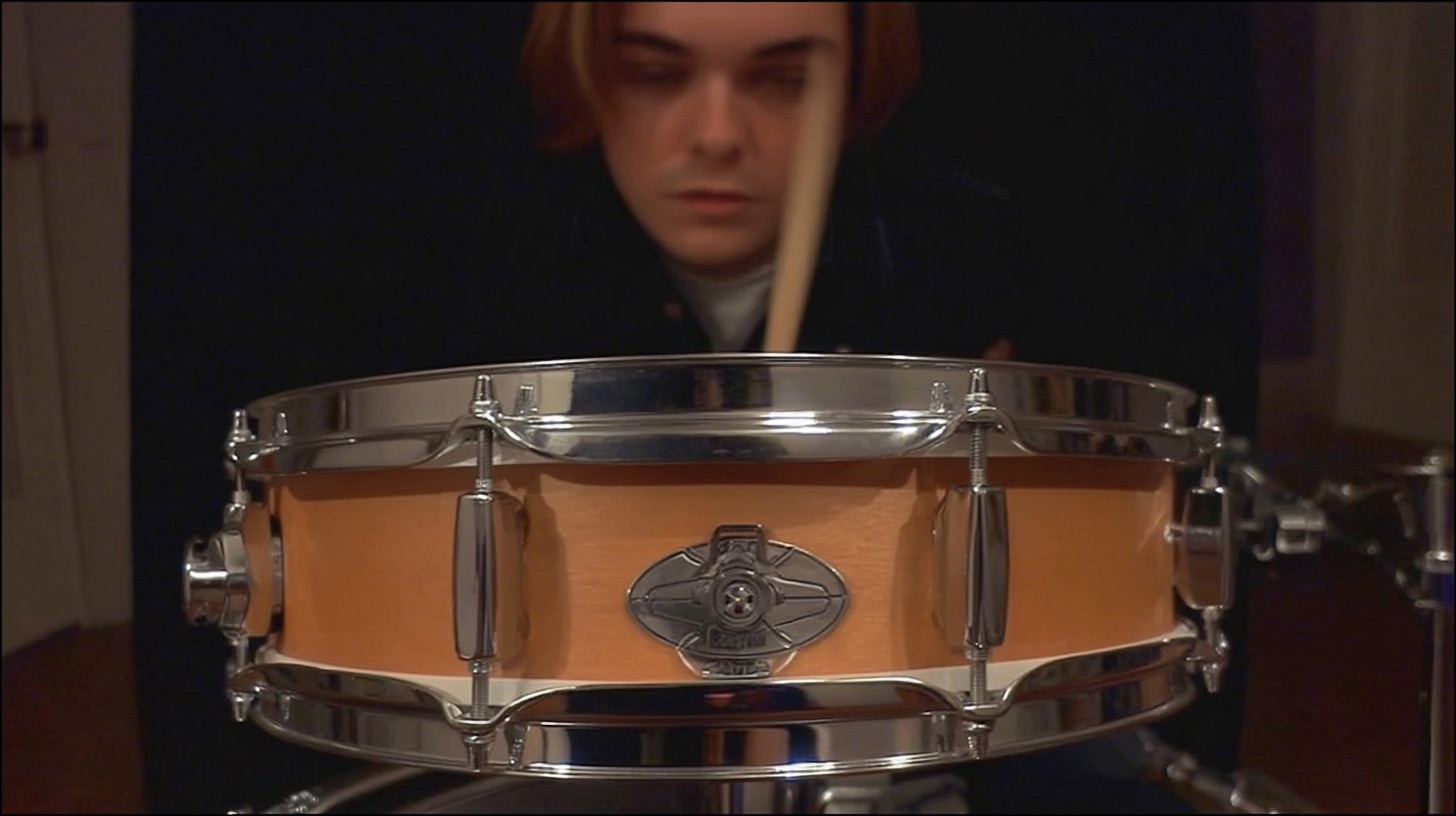
First thing’s first: the drums. In an era of perfectly gridded, entirely replaced drum sounds, it’s refreshing to hear a kit that breathes.
When you solo up the provided samples (some Slate kicks and toms), they sound good. But the real lesson here is that when you mute them, the raw acoustic drums still sound great. This is the foundation. You can’t polish what isn’t there, and these shells have a solid tone from the get-go.
The Power of Rooms and Overheads
Here’s a lesson every producer needs to learn. If you solo the close mic on the snare, it sounds… well, a little dinky. It’s got the crack, but it’s thin. This is where so many home producers get frustrated, wondering why their snare doesn’t sound like the ones on their favorite records.
The answer is in the other mics. As soon as you bring in the overheads and the room mics (both close and far), that dinky snare suddenly becomes a cannon. It’s a perfect reminder that a great drum sound isn’t about one microphone; it’s about the complete picture. The overheads and rooms provide the body, the depth, and the sustain that turn a simple transient into a powerful snare hit. The close mic is just there for focus and attack.
Keeping It Clean
Of course, with real mics come real-world problems. The raw tom tracks have a good amount of bleed from the rest of the kit. This is your job as a mixer: get in there and clean it up. Whether you prefer strip silence or meticulous manual gating, those toms will need some attention to tighten up the final mix and avoid a wash of cymbal mud. The hi-hat track is a bit loose too, so you’ll want to get in there and tighten it up to keep the groove focused.
Getting that perfect blend between the punch of a close mic and the space of the room mics is key to a powerful drum sound. You can use tools like compression on your drum bus to glue these elements together into one cohesive, hard-hitting kit.
Crafting the Riffs: More Than Just DI’s
Let’s talk guitars. Andrew Wade is known for his phenomenal DI guitar tones, and these are no exception. They’re clean, full, and ready for re-amping. When you first throw a generic high-gain amp sim on them, they sound huge—but a key part of mixing pop-punk is knowing that it’s not metal.
Riff Interplay: The G’n’R Trick
Here’s something super cool you’ll notice in the arrangement. Instead of having two guitarists just playing the exact same rhythm part panned left and right, they’re often playing slightly different, interlocking riffs.
It’s a classic trick you’d hear on records like Appetite for Destruction, where Slash and Izzy Stradlin would play complementary parts that created a wide, complex, and exciting stereo image. In “Can’t Kick Up The Roots,” this technique gives the guitar section a sense of movement and makes the song feel bigger. It’s a great reminder that “heavy” doesn’t always come from layering the same part four times; it can come from smart, dynamic songwriting.
Dialing in the Right Drive
This is where your producer brain has to kick in. A one-size-fits-all, maxed-out gain setting isn’t going to work here. During cleaner sections, that high-gain metal tone will sound fizzy and wrong. You have to treat the song dynamically.
Pull the gain back for the overdriven verse parts to let the notes breathe. This is more classic rock than modern metal. The goal isn’t relentless obliteration; it’s energy and bounce. A lot of the power will come from the vibrant midrange, not from scooped lows and insane saturation. You’ll need to use your tools to shape the tone just right, ensuring it rocks without sounding like a completely different genre. Proper EQ strategies are crucial for finding that sweet spot where the guitars have bite but still let the vocals and snare punch through.
The Andrew Wade Touch: A Production Challenge
Beyond the core instruments, these multi-tracks have some of Wade’s signature production flair. You’ll find his classic stomps and claps used to build massive energy leading into the final chorus—a simple but incredibly effective trick.
But the most interesting part is the vocals. Andrew provided the main lead vocal track, clean and ready to mix. But for the harmonies, he gave you a pre-mixed “all vocals” stem. Why? He wanted to give mixers a challenge.
There are two ways to approach this:
- The Easy Way: Blend the pre-mixed harmony stem in with the lead vocal.
- The Pro Way: Use the stem as a reference to create your own harmonies. Tune them, time-align them, and process them yourself.
This is what being a real producer is about. Sometimes the artist won’t have time to record doubles or harmonies, and you’ll have to create them yourself with tools like Melodyne or by singing them yourself. This session is a safe space to practice that essential skill.
Putting It All Together
From the raw power of the kitchen drums to the clever interplay of the guitars and the self-made harmonies, mixing “Can’t Kick Up The Roots” is more than just a fader-pushing exercise. It’s a lesson in genre-appropriate production. It’s about understanding that pop-punk lives in the space between raw rock ‘n’ roll and polished radio rock.
Neck Deep on Nail The Mix
Andrew Wade mixes "Can't Kick Up The Roots"
Get the Session
Want to try your hand at it? You can get these exact multi-tracks and dive into the session yourself. See if you can nail that Andrew Wade sound or put your own spin on a modern pop-punk classic. With Nail The Mix, you get access to sessions like this every single month, with tutorials from the world-class producers who actually mixed the records. It’s your chance to go beyond watching videos and start unlocking your own sound by working on real-world projects.