How To Get Spiritbox “Holy Roller” Guitar Tone (the octave-down guitar DI trick)
Nail The Mix Staff
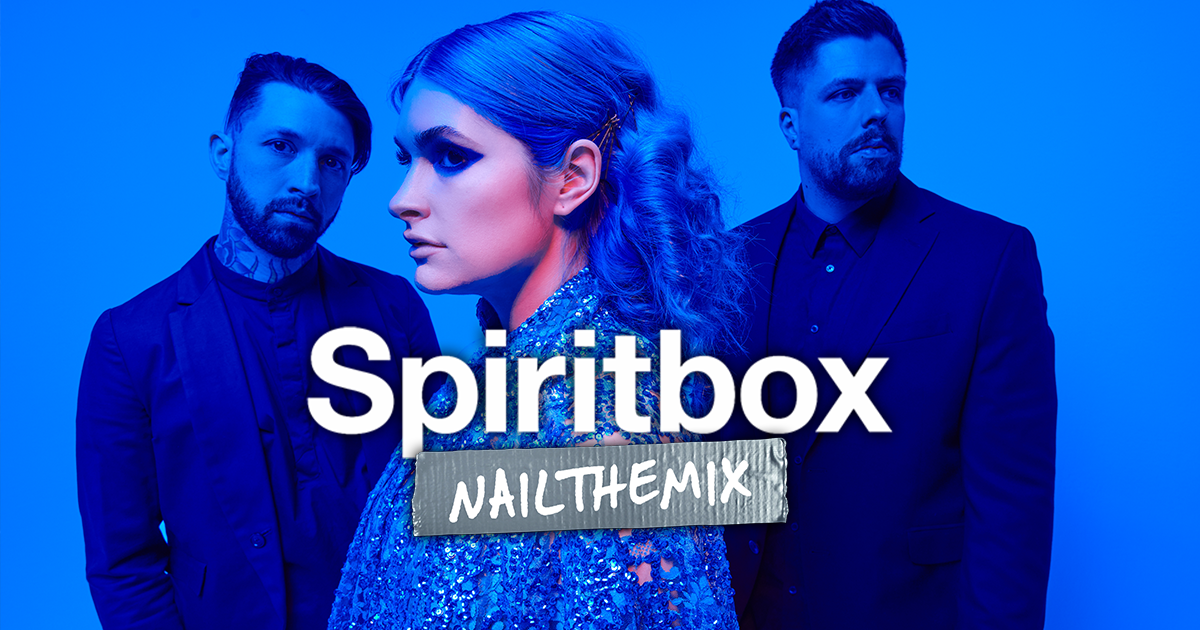
When Spiritbox dropped “Holy Roller,” the internet collectively lost its mind. It’s a track that feels less like a song and more like a raw, visceral force of nature. It’s angry, filthy, and unapologetically heavy. But beneath the chaos is a masterclass in modern metal production, spearheaded by producer and mixer Daniel Braunstein.
By diving into the raw multi-tracks from their Nail The Mix session, we can pull back the curtain and see the clever, and often rule-breaking, techniques that forged this absolute monster of a track.
The Foundation: Deceptively Simple Drums
Looking at the DAW session, you might be surprised by how lean the drum setup is. There’s no maze of a hundred different mics and samples. The core of the sound comes from Superior Drummer 3, but the key is in how the tracks are printed.
Instead of just isolated cymbals, the overhead and room tracks contain the sound of the entire kit. This is a crucial move. It means the bleed and the natural interaction between the kick, snare, and cymbals are baked into those tracks, giving the programmed drums a more cohesive and powerful “live room” feel right from the start. It’s a simple way to get a big, unified drum sound without overcomplicating the mix.
The Wall of Sound: Low-Tuned & Layered Guitars
The guitars on “Holy Roller” are just disgusting—in the best way possible. They’re a massive, grinding wall of low-tuned aggression. While the primary tones were crafted using plugins from Neural DSP, the secret to that extra layer of gut-punching filth is a brilliant and simple DI trick.
The Octave-Down DI Trick
To get that subterranean low-end, Braunstein took the main rhythm guitar DI track, pitched it down a full octave, and then processed that new, lower DI as its own guitar track.
Now, you might be thinking, “But what about the weird digital artifacts?” That’s the point. For a song this aggressive, you don’t always want a pristine, perfect sound. Embracing the mangled, slightly glitched-out character of a pitch-shifted DI adds a unique layer of mechanical, industrial grit that you can’t get from just an amp. It’s a perfect example of how to mangle something to make it sound absolutely badass.
Creative Chaos: Vocals & Production FX
What truly sets “Holy Roller” apart are the insane production elements woven into its fabric. These aren’t just afterthoughts; they are integral hooks that define the song’s personality.
The “Holy Roller” Vocoder Effect
That iconic, robotic vocal in the intro is one of the track’s strongest hooks. Looking at the raw tracks reveals the magic: the original source is just Courtney LaPlante speaking the line normally.
The wet track, however, shows Braunstein’s creative processing. It’s not just a simple vocoder. There’s a heavy dose of bit-crushing, distortion, and saturation that gives it a gritty, nasty texture. It turns a simple spoken phrase into a menacing, synthetic hook that sets the tone for the entire song. This is where surgical EQ strategies come into play, carving out space for such a unique element to shine.
The Breakbeat That Breathes (and Punishes)
The breakdown in the middle of the song is a moment of pure genius. Instead of a typical half-time metal breakdown, the song shifts to an electronic-style breakbeat. The source is a simple processed drum loop, but its effect is huge. It gives the listener a moment to breathe without ever letting up on the song’s forward momentum and rhythmic tension. It’s a non-traditional move that keeps the track feeling fresh and unpredictable.
Modern Problems, Modern Solutions: Remote Recording
Here’s a cool piece of modern production trivia: the vocals for “Holy Roller” were recorded remotely. With the band and producer separated due to the pandemic, they used a combination of Zoom for communication and the Audio Movers plugin to stream high-quality audio directly from the band’s DAW to Braunstein’s. It’s a perfect testament to how technology now allows for world-class productions to happen from anywhere.
Braunstein’s Mix Philosophy: No Solo, All Aggression
Perhaps the biggest takeaway from this session is understanding Daniel Braunstein’s core mixing philosophy for this track. He’s noted that he almost never used the solo button while mixing “Holy Roller.”
By keeping all the tracks playing together, every decision—every EQ boost, every bit of compression, every added layer—was made in the context of the full, chaotic mix. The goal wasn’t to make each instrument sound perfect in isolation, but to make the entire song sound like a cohesive, gnarly, and overwhelming force. It’s about building a “wall of sound” by constantly adding and shaping layers to enhance the overall power.
These techniques are just a glimpse into the creative decisions that made “Holy Roller” a modern metal anthem. They show a willingness to break rules, embrace digital artifacts, and prioritize the overall vibe of the song above all else.
Spiritbox on Nail The Mix
Daniel Braunstein mixes "Holy Roller"
Get the Session
Of course, knowing the ingredients is one thing, but watching the master chef cook the meal is another. If you want to see exactly how Daniel Braunstein took these raw tracks and expertly molded them into the final, punishing mix, you need to check out his full session. You get access to the very same multi-tracks to practice on, and you can watch him explain every plugin, fader move, and creative choice he made. It’s the ultimate deep dive for producers looking to learn the techniques behind today’s biggest metal hits.