Dialing in progressive metal guitar tone with Neural DSP Quad Cortex (ft. Tesseract)
Nail The Mix Staff
Let’s be honest, Tesseract’s guitar sound is a beast of its own. It’s complex, driving, and a huge part of what makes their progressive sound so compelling. The way Acle Kahney’s intricate riffs and heavy chugs sit perfectly in a dense mix isn’t magic—it’s the result of a deliberate, multi-stage mixing process, much like those developed by his contemporary, Adam “Nolly” Getgood.
We got a look inside Acle’s session, and his approach is all about shaping the tone with multiple EQs and processors at different stages. It’s not just about one magic plugin; it’s about a chain of smart decisions that clean, control, and add character to the guitars. Let’s break down his killer workflow.
Stage 1: The Surgical Cleanup
Before you can make something sound huge, you have to make it sound clean. Acle’s first move is to tackle the problematic frequencies head-on with subtractive EQ. This isn’t about broad, gentle shaping; it’s surgical.
He starts by identifying and removing resonance and “mud” that can cloud the low-mids. He carves out any “boxy” frequencies that are cluttering up the sound. Next, he gets aggressive with the harshness, making what might seem like extreme cuts to get rid of nasty whistles and fizzy resonances in the upper-midrange and highs. The goal is to create a smoother, cleaner foundation to build upon. Even though this initial EQ can leave the guitars sounding a bit dark or thin, it’s a crucial first step for clarity in the final mix.
Mastering the fundamentals of how to EQ metal guitar is fundamental to getting a professional, polished sound.
Stage 2: Taming Chugs with Dynamic EQ
Palm-muted sections are the rhythmic engine of a Tesseract track, but they can easily get out of control and jump out of the speakers. Instead of reaching for a traditional multiband compressor, Acle uses a more modern approach: dynamic EQ, a feature perfected in tools like FabFilter Pro-Q 3.
He applies a dynamic EQ band specifically to the frequencies where the palm mutes have the most weight. This is essentially the old-school Waves C6 trick, but with the precision of a modern dynamic EQ. The key here is subtlety. He only applies a few dB of reduction, just enough to keep the chugs in check without squashing the life out of them. This allows the natural “cab weight” to come through while ensuring the performance remains tight and controlled. It’s a perfect example of using the principles of a modern audio compressor to maintain dynamics, not just kill them.
Stage 3: Adding Bite and Character (The Smart Way)
After all that surgical cutting, the guitars can sound like they’ve lost their bite. The next stage is all about adding the aggression and brightness back in, but in a more controlled and musically pleasing way.
Adding Smooth Highs with Additive EQ
To counteract the darkness from the initial cleanup, Acle uses a processor like the Kush Audio Clariphonic. This isn’t just a simple treble boost. The philosophy is to add back high-end with a broad, smooth stroke. You’ve already removed the specific, nasty frequencies, so now you can boost the overall brightness without reintroducing harshness. It’s a genius way to get the bite back while keeping the tone smooth.
Sculpting with Classic Tricks and Stereo Width
For more character, Acle turns to some classic techniques. He employs a Pultec-style EQ trick, where you simultaneously boost and attenuate the same low frequency. This creates a unique curve that can tighten and sculpt the low-end of the guitars in a way that standard equalization can’t. To top it off, he adds a significant boost way up at 16kHz to inject a ton of “air” and sizzle.
Finally, he uses a stereo imaging plugin not just for width, but for a special “shred control” feature that seems to further tame harshness and smooth out the top end. It’s another subtle move that adds polish and stereo dimension.
Stage 4: Dynamic Lift with Parallel Bus Automation
In a Tesseract mix, not all guitars are treated equally. Acle views the main guitars (recorded with a Neural DSP Quad Cortex) as the core tone, while other layers are there to fill in the gaps and can be EQ’d even more aggressively.
The real secret weapon, however, is a form of parallel compression he uses for dynamics. He sends the main guitar group to an auxiliary bus loaded with a plugin he calls “Robust” (an Andy Sneap technique). This bus is heavily compressed to clamp down on transients and create a thick, saturated tone.
Instead of just blending this bus in statically, Acle automates the send level. During a powerful section like a chorus, he pushes the guitar signal into this compressed bus. The result is a subtle lift in energy and loudness that makes the chorus feel bigger and more impactful without just cranking the fader. It’s a clean and effective way to build excitement and make the track breathe.
See It All Come Together
From surgical cuts and dynamic control to smart brightening and parallel bus automation, Acle Kahney’s process is a masterclass in modern metal guitar mixing. These are the kinds of powerful, actionable techniques used by pros like Jens Bogren to craft epic-sounding records.
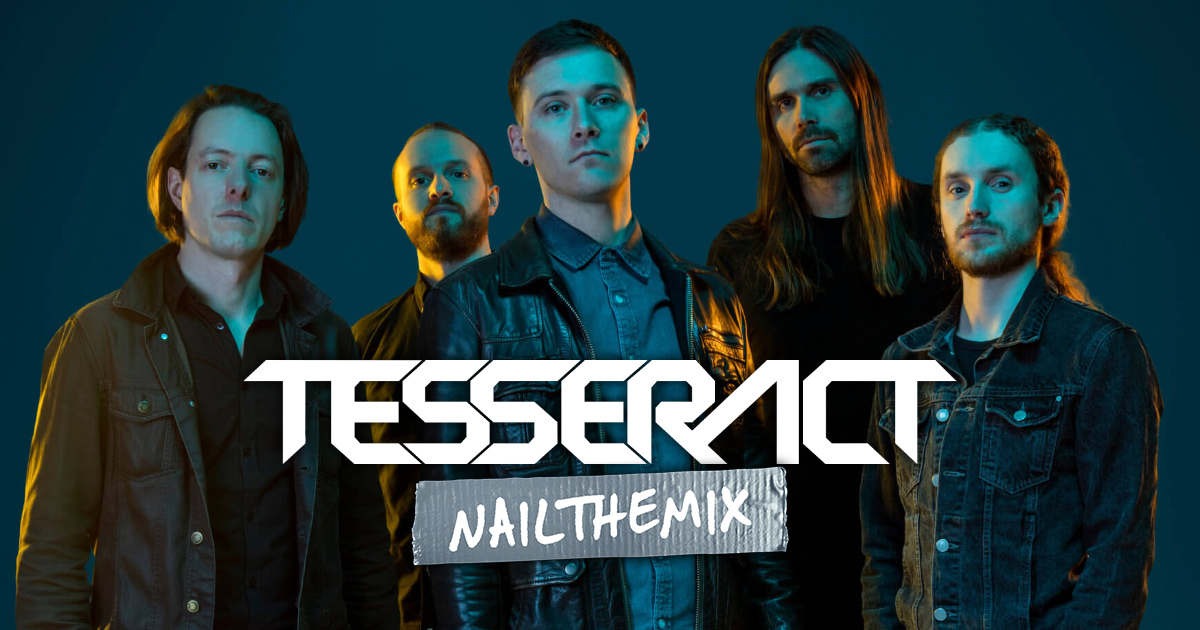
TesseracT on Nail The Mix
Acle Kahney mixes "Juno"
Get the Session
Watching a world-class producer like Acle build a mix from scratch is one of the fastest ways to level up your own skills. On Nail The Mix, you don’t just get tutorials; you get raw, unedited multitracks from bands like Tesseract and get to watch the original producer mix them live, explaining every plugin, every fader move, and every decision. If you’re ready to unlock your sound beyond mixing presets, this is where it happens.
Check out the full Tesseract mixing session with Acle Kahney to see these techniques and a whole lot more in action. You’ll get to follow along as he dials in not just guitars, but drums, bass, and vocals to create a complete, polished Tesseract mix. Dive into the full session on Nail The Mix and start crafting better tones today.