
Mixing Oli Sykes’ Raw Vocals With Extreme Compression (Bring Me The Horizon “Chelsea Smile”)
Nail The Mix Staff
Let’s talk about a game-changer. When Bring Me The Horizon dropped Suicide Season, and specifically the track “Chelsea Smile,” the sound of metalcore vocals shifted. Oli Sykes’ raw, aggressive performance was pushed to the absolute limit with a ton of post-production flair that became a hallmark of the genre.
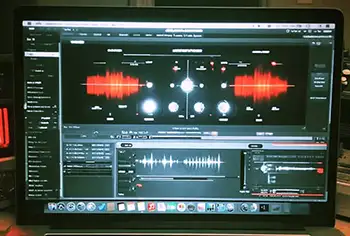
Ever wondered how they landed that insane vocal sound? We got a look inside the original Pro Tools session with the legendary producer Fredrik Nordstrom (the man behind albums for At The Gates, Architects, and Soilwork) as he broke down his mix. It’s a fascinating look at a mix from that era, blending old-school brute force with creative effects that still sound massive today.
Aggressive from the Start: The Recording Chain
One of the most surprising parts of Fredrik’s approach is that a huge part of the vocal sound was baked in during recording. This wasn’t a case of getting a clean a signal as possible and doing everything in the box.
The vocals were tracked through an AMEC Angela console, which had its own built-in compressors. These were used heavily on the way in, smashing the signal before it even hit Pro Tools. How much compression are we talking about? When you combine the tracking compression with the mix compression, Fredrik Nordstrom estimates the total gain reduction on the lead vocal could be as high as a staggering 30-35dB. This is a key piece of the puzzle: the vocal was intentionally aggressive and controlled from the very beginning, a core technique for getting that in-your-face metal vocal sound. Mastering metal compression is about more than just numbers; it’s about this kind of intentional shaping.
The In-the-Box Vocal Chain for Maximum Grit
Even with all that initial processing, there was still plenty of shaping to do inside the DAW. The plugin chain was surprisingly simple but incredibly effective.
Pre-Compression EQ and More Squeezing
Before hitting another compressor, the first move was a little bit of EQ to lift the treble. This helps the vocal cut through and gives the compressor more high-frequency information to react to, adding to the presence and aggression.
After the EQ, the vocal was hit with another compressor. Back then, Fredrik used the stock Pro Tools compressor. While he admits there are much better plugin options available today, it proves you can get a legendary sound by knowing how to use the tools you have.
Adding Character with Distortion and De-essing
Here’s where more of that signature “Chelsea Smile” texture comes from. On top of all the compression, a Lo-Fi plugin was added to the chain to introduce even more grit and harmonic distortion. This is a great trick for adding vibe and helping a vocal feel a little more unhinged and raw.
Of course, all this high-end boosting and distortion can introduce some serious harshness. To tame that, a simple stock De-Esser was used to control any piercing sibilance without sacrificing the overall aggressive bite.
Interestingly, Fredrik also mentioned a specific—and now unavailable—Pro Tools plugin called Cosmonaut was used for some of the heavily effected vocal-throw parts, adding another layer of unique, lo-fi character that’s hard to replicate.
Building the Vocal Layers: Doubles and Gangs
A massive vocal sound isn’t just about the lead track. The layers are just as important.
The approach here was straightforward but powerful. Vocal doubles were processed with the exact same plugin chain as the lead vocal—the same EQ, compression, and Lo-Fi settings—but were simply mixed in at a lower volume. This creates a cohesive and thick sound without overcomplicating the mix.
The gang vocals, which consisted of three recorded tracks, received a very similar treatment, ensuring all the vocal elements shared the same sonic DNA and glued together into one massive force.
Creating Space and Epic Moments with FX
The effects sends are where a lot of the track’s epic atmosphere was created. Fredrik used a classic setup of two reverbs and two delays to give himself a palette of spaces and textures to paint with.
The Essential Reverbs and Delays
The FX setup was built around four key sends:
- A “Bread and Butter” Reverb: A simple, small room reverb used for general space on vocals and lead guitars.
- A Long, Epic Reverb: This was the go-to for creating huge, dramatic moments.
- EchoBoy Stereo Delay: The main delay was Soundtoys’ EchoBoy, set to a custom preset that synced to the track’s tempo for a wide, stereo delay.
- An FX Delay: A separate delay bus for longer, more distinct “hello-hello-hello” type echoes.
Pro-Level FX Routing Tricks
This is where things get really cool. It’s not just about having the effects, but how you use them. Fredrik shared a couple of killer techniques for creating drama:
- The Disappearing Scream: On a long scream, you can automate the volume of the long reverb up while you automate the volume of the dry vocal down. This creates an incredible effect where the vocal seems to dissolve into a massive, ambient tail that trails off into eternity.
- The Reverb-Bouncing Echo: For a truly epic sound, you can send the FX Delay into the Long Reverb. This means the echoes themselves are bouncing around inside that huge reverb space, creating a cascading, washy, and incredibly deep texture.
A Quick Look at the Mix Bus
While the album was mastered by someone else, Fredrik put a quick processing chain on his mix bus to get it loud and punchy. This included using a Pro-Q 2 for some surgical EQ (using the sweep-and-destroy method to find harsh frequencies), a multiband compressor, a stereo widener, and finally, a limiter for level.
These techniques, from the extreme upfront compression to the creative FX routing, are what make the vocals on “Chelsea Smile” so memorable. They show how a combination of bold foundational moves and clever, atmospheric touches can create a truly iconic sound.
Bring Me The Horizon on Nail The Mix
Fredrik Nordstrom mixes "Chelsea Smile"
Get the Session
Want to see exactly how producers like Fredrik build these sounds from the ground up? At Nail The Mix, you get to be a fly on the wall. Every month, you get the real multi-tracks from a massive metal song and watch the original producer mix it from scratch, explaining every single decision. It’s the ultimate way to learn the real-world techniques that pros use every day.