Unboxing Machine Head “Is There Anybody Out There” raw multi-tracks
Nail The Mix Staff
Let’s be honest, when you think of a Machine Head track, you think of powerhouse riffs, thundering drums, and Robb Flynn’s iconic vocals. But their Top 40 Active Rock hit “Is There Anybody Out There?” is a different kind of beast. This isn’t just a simple guitar, bass, and drums affair; it’s a colossal, 160+ track session packed with orchestration, intricate post-production, and a pop-level approach to vocal layering.
We’re diving deep into the raw multitracks, unboxing this massive session with insights from co-producer Joel Wanasek. Get ready to see how this modern metal anthem was built from the ground up.
Taming the Colossal Drum Kit
Right off the bat, the drum session alone is immense, with 115 tracks in the condensed version. This isn’t just about having options; it’s about crafting a dynamic and powerful drum sound that can navigate the song’s intense shifts.
The Kick & Snare Foundation
The kick drum setup is a perfect example of tonal flexibility. You get two main kick mics, a sub kick for that low-end weight, and an additional Shure SM91 inside the kick for that sharp, clicky attack. This combo allows you to blend tones for any section, from a natural thud to an aggressive, transient-heavy punch.
The snare follows a similar philosophy, with two top mics and a bottom mic. Blending different top mics lets you dial in the perfect amount of body and crack, while the bottom mic brings in the essential crispness of the snare wires.
Cymbals and Toms Galore
With a drummer who uses his entire kit, you need comprehensive micing. The session features a three-mic overhead setup (Far Left, Left, and Right) plus spot mics for the hi-hats (both right and left) and the ride. And for the fills, you have a staggering five tom mics to work with. Panning these from a drummer’s perspective is crucial for creating a realistic and immersive stereo image.
Leveraging Room Mics & Automation
In a song this dense, the room mics are your secret weapon for creating space and vibe. But the real pro-move here is automation. During a sparser section like the verse, you can automate the volume of the overheads and rooms to bring in more of the natural drum sound. This prevents the kit from sounding like a static sample throughout the entire song and allows the mix to breathe, making the heavier sections hit even harder. This is a masterclass in dynamic mixing.
More Than an Anthem: Orchestration & Production Layers
What truly sets this track apart is its cinematic scope. The session is loaded with an insane amount of post-production that elevates it from a metal song to an epic sonic experience.
The Wall of Sound Production
We’re talking lo-fi pianos, MIDI loops, heartbeats, big-ass booms, sub drops, reverse cymbals, marching snares, and synth builds. There are full orchestral down-lifters, uplifters, and percussive pulses. This is a study in modern production, demonstrating how sound design can inject life and drama into a track.
Mixing the “Impact” Sounds
All these extra layers present a unique mixing challenge. Elements like booms, explosions, and sub drops are incredibly transient-heavy and packed with low-end information. They can easily clash with your kick drum and bass guitar, turning the low end into mud. The key is to use surgical EQ to give each element its own space. By carefully carving out frequencies, you can ensure the impact sounds cut through and add power without overwhelming the foundation of the mix. For a deeper dive into these techniques, check out our guide on EQ strategies for mixing modern metal.
Blending Real and Sampleed Strings
The chorus swells with over 20 tracks of live strings, including violas and violins. These were then layered with programmed, sampled strings. Why both? The real orchestra provides the human feel, the subtle imperfections, and the authentic dynamics. The “fake” orchestra, on the other hand, delivers that impossibly huge, epic, and perfectly polished sound you hear in film scores. Combining them gives you the best of both worlds: genuine emotion backed by massive scale.
Dialing In Quad-Tracked Guitars (Recorded on a Tour Bus!)
Of course, it wouldn’t be Machine Head without a mountain of guitars. This track features quad-tracked rhythms, creating an absolutely monolithic wall of sound.
The Mic-Locker Approach
Each of the four rhythm guitar parts was recorded with two classic microphones: a Shure SM57 and a Sennheiser MD 421. That’s a total of eight faders just for the rhythm guitars. This gives the mixer an incredible palette to blend. You can favor the mid-range bite of the 57s, the warmer low-mids of the 421s, or create a complex blend of all of them for the ultimate tone.
The On-the-Road Recording Story
Here’s a wild detail: a lot of this was recorded while the band was on the road for their “A Night With Machine Head” tour. They tracked guitars, bass, and vocals on a laptop with an interface on their tour bus. Imagine playing a grueling 3-hour set every night and then having to lay down pristine vocal and guitar takes. It’s an insane testament to the band’s work ethic and Rob Flynn’s dedication.
A Pop-Style Approach to Massive Metal Vocals
The vocal production on “Is There Anybody Out There?” is meticulous and dense, borrowing heavily from modern pop techniques to create a chorus that’s both massive and memorable.
Layering for a Huge Chorus
The chorus isn’t just one vocal track. It’s a carefully constructed stack. There’s a main vocal, a double, and then two more tracks panned hard left and two panned hard right. That’s five layers of the lead vocal melody, creating an unmistakably thick and powerful sound that fills the entire stereo field.
Raw, Authentic Performance
Despite the intricate layering, one thing is refreshing: the performance is 100% real. There’s no audible Auto-Tune, just Rob Flynn’s raw, powerful delivery. It’s a reminder that in an age of digital perfection, a genuine, passionate performance is still king. Beyond the leads, the session is filled with extra textures like falsettos, low octaves, brutal gang vocals, and intricate harmonies, showing a commitment to making every vocal part an event.
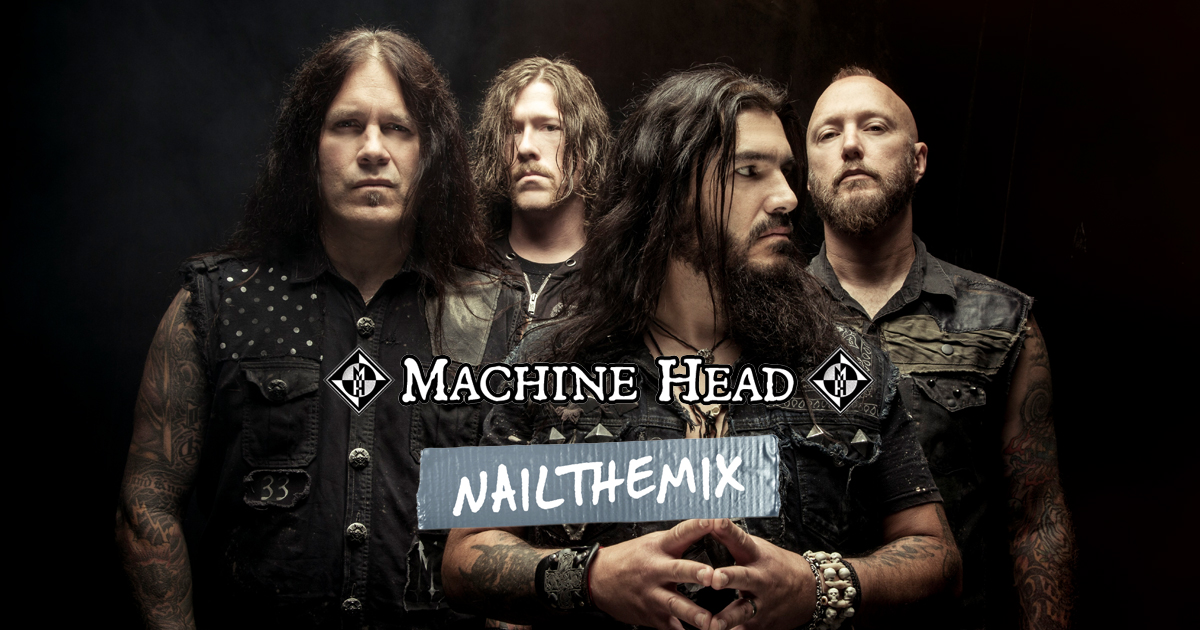
Machine Head on Nail The Mix
Joel Wanasek mixes "Is There Anybody Out There"
Get the Session
Want to Mix This Monster Session Yourself?
Diving into a session this complex reveals just how much craft and detail go into a modern metal hit. It’s a masterclass in blending raw heavy metal with intricate orchestration and pop-level production.
If you want to go beyond just reading about it, Nail The Mix gives you the chance to get your hands on these exact multitracks. You can see precisely how Joel Wanasek tackled all 160+ tracks in his marathon 12.5-hour mixing livestream. This is your opportunity to learn the techniques used on a real-world, charting metal song and apply them to your own music. It’s the ultimate way to unlock your sound and mix modern metal beyond presets.
Click here to get the Machine Head multitracks and watch the full mixing session on Nail The Mix.