Mixing raw metal multitracks with natural tempo drift and ghost notes (ft. Gojira)
Nail The Mix Staff
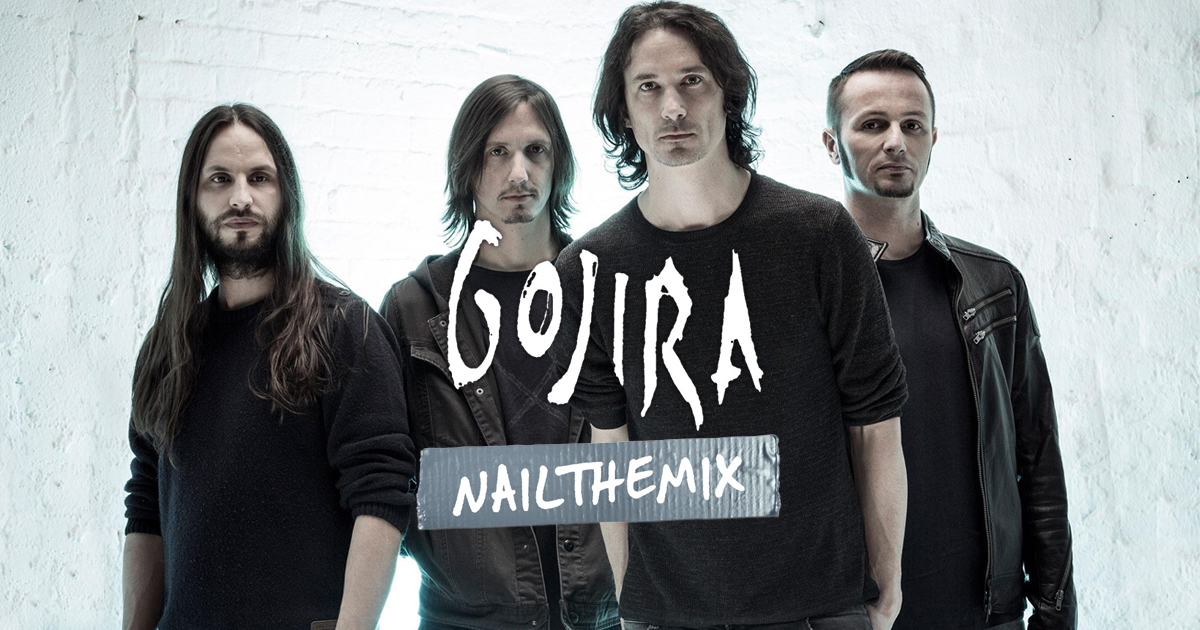
Gojira isn’t just a band; they’re a force of nature. For years, they’ve been one of the most monumental and innovative bands in heavy music, and their 2008 track “Toxic Garbage Island” is a perfect storm of technical precision, raw power, and atmospheric weight. The original mix, helmed by the legendary Logan Mader, is a masterclass in modern metal production.
Getting your hands on the raw multi-tracks for a song like this is like popping the hood on a finely tuned engine. What you find isn’t an overwhelming mess of a thousand tracks, but a surprisingly straightforward session where the magic lies in the performance and the clever textural layering. Let’s dive into the raw tracks and break down what makes this Gojira classic so incredibly heavy. If you want to try these techniques yourself, you can get access to the full multitracks and mix session from Logan Mader on Nail The Mix.
The Rhythmic Foundation: Feel Over Grid Perfection
The first thing you notice when you load up the session is the drumming of Mario Duplantier. He’s easily one of the best drummers in metal, and his raw tracks are a testament to that. But the secret to his power isn’t just brute force; it’s nuance.
Embracing Drum Dynamics
This song is heavy as hell, but Mario’s snare performance is incredibly dynamic. You’ll hear tons of ghost notes and subtle hits that give the groove its life. The temptation with modern metal is often to slap a sample replacer on the snare and call it a day, but that would completely kill the feel here. You’d lose all the human element that makes the performance breathe.
A better approach is strategic sample reinforcement. Keep the original snare as the core of your sound, preserving all those dynamics. Then, when the wall of guitars kicks in during the heaviest sections, blend in a punchy snare sample underneath to add consistency and cut through the wall of sound without sacrificing the original performance.
The “Off-Grid” Advantage
Here’s something that might surprise you: this track wasn’t recorded to a perfectly rigid click track. While the tempo hovers around 152 BPM, it breathes. It fluctuates slightly, driven by the band’s incredible internal clock. This is something you also see in the sessions for a band like Meshuggah—when a band is this tight, editing every single hit to a grid can actually suck the life out of the performance. The lesson here is huge: don’t be afraid to trust a great take. Human feel is often more powerful than robotic perfection.
Crafting Ambiance with Room Mics
The session includes a stereo room track, but it’s not from a massive, cavernous space. The natural room sound is relatively tight. This means if you’re chasing that huge, explosive snare sound with a long, crushing decay, you’ll need to create it. Don’t be afraid to blend in a great room sample or use a high-quality reverb plugin to give the drums the space they need to sound massive. Careful EQ on your reverb return can help it sit in the mix without turning into a muddy mess.
The Secret to Gojira’s Crushing Guitar Tone
Gojira is famous for their unique guitar work, particularly their use of the harmonic “scrape” technique that countless bands later adopted. When you solo the guitars and bass, you uncover a key reason why their riffs sound so powerful.
It’s Not Just the Guitars
The session provides two left and two right rhythm guitar tracks. There are no DIs, just the pure, committed tone captured from the amp. But the real secret weapon is the bass. While you get a clean bass DI track to work with, the mic’d SWR amp track that Logan Mader captured sounds absolutely mean right out of the box.
The incredible discovery here is that the bassist, Jean-Michel Labadie, doubles the guitar scrapes. Listen to a scrape with just the guitars, and it sounds cool. But when you unmute the bass, the sound becomes immense. It adds a layer of low-end snarl and weight that keeps the riff from losing any power. It’s a perfect example of tight, intentional arrangement creating a sound that is bigger than the sum of its parts.
Layering Vocals and Textures for Epic Impact
Beyond the core of drums, bass, and guitar, Gojira packs their songs with subtle textures and vocal layers that elevate the music from just “heavy” to “epic.”
Deconstructing the Iconic Pitch Scream
Joe Duplantier’s iconic pitched scream is one of the most recognizable sounds in metal. How does he do it? The multi-tracks reveal the secret. It’s not a single performance, but a carefully constructed stack of layers. The session contains four separate “Pitch Scream” tracks and two “Sung” tracks that all combine to create that huge, melodic, yet aggressive vocal hook. By dissecting these layers, you can understand how to build massive vocal moments in your own mixes.
Working with Pre-Processed Elements
When you get to the main vocal tracks, you’ll notice they’re already coming in hot. They were clearly tracked with a healthy amount of compression and probably some distortion. This is a common pro-level move. It means your job isn’t to build a vocal sound from scratch, but to shape the existing one. You’ll be reaching for corrective EQ to make it sit right and maybe some subtle automation, rather than piling on tons of new processing.
The same goes for other elements like the Vocoder track that doubles the guitars during a main musical hook, or the atmospheric organ-like synth that adds an eerie, epic quality to certain sections. They are all textures you can blend in to transform the arrangement.
Putting It All Together
Mixing a track from a band like Gojira is an education in what truly makes a metal song powerful. It’s about:
- Honoring the performance: Don’t kill dynamics with blanket sample replacement or grid-snapping.
- Smart arrangement: The secret to a huge sound might be in how the bass and guitars work together.
- Textural layering: Vocal stacks and subtle synths can create those unforgettable epic moments.
Gojira on Nail The Mix
Logan Mader mixes "Toxic Garbage Island"
Get the Session
Reading about these techniques is one thing, but actually getting your hands on the faders is how you truly learn. On Nail The Mix, you get the chance to work with these real, professional multi-tracks every month. You can move beyond presets by following our comprehensive mixing courses and see how the biggest producers in the game craft these sounds from the ground up.
Ready to give it a shot? Click here to get the “Toxic Garbage Island” multi-tracks and watch Logan Mader mix this incredible song from scratch. Happy mixing